pediatria@med.mail.kz
 /pediatria.kaz
 /pediatria.kz

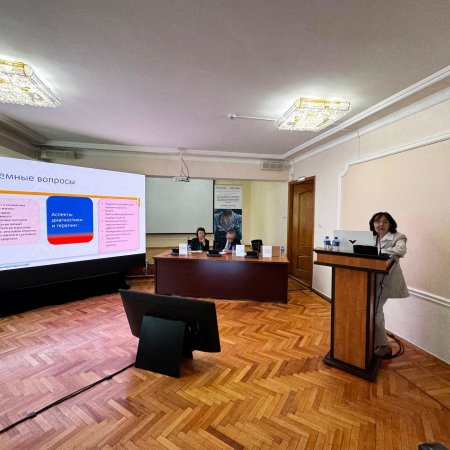
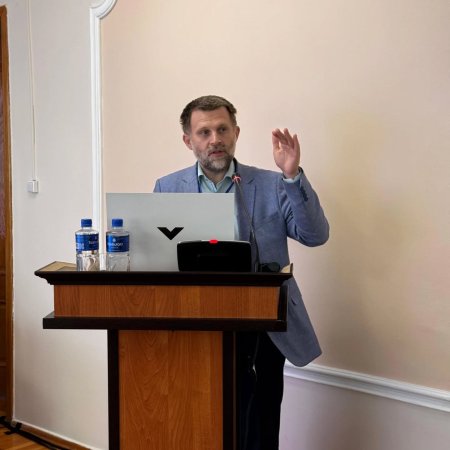
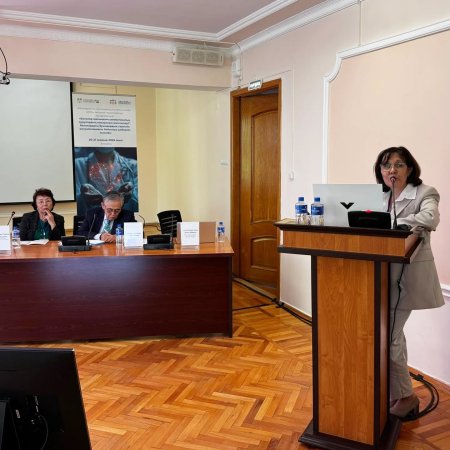
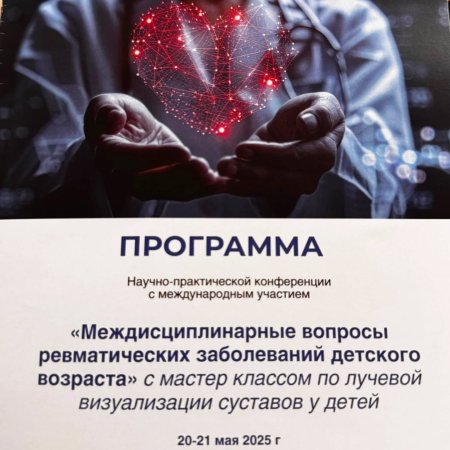
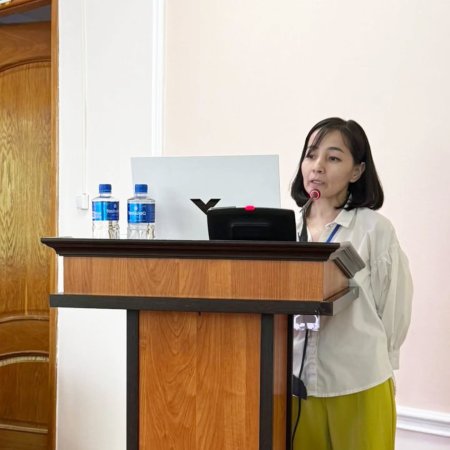
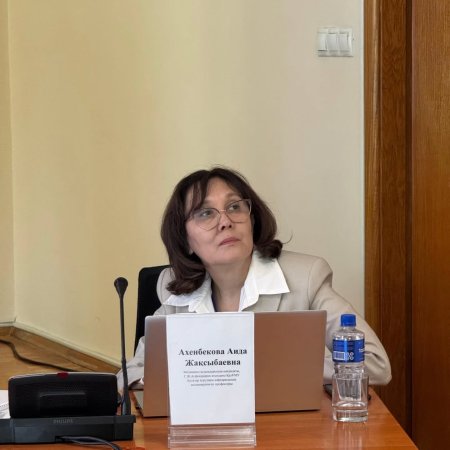
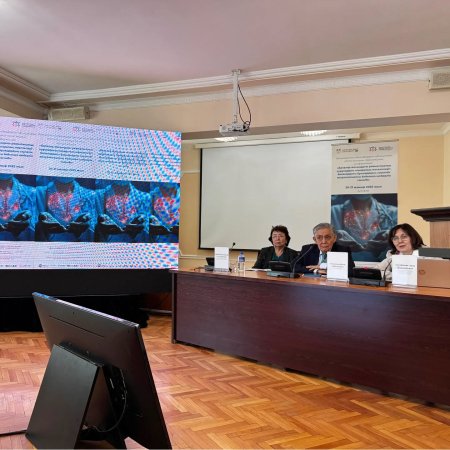
Scientific-Practical Conference on Interdisciplinary Issues in Pediatric Rheumatic Diseases Held at NCPPS
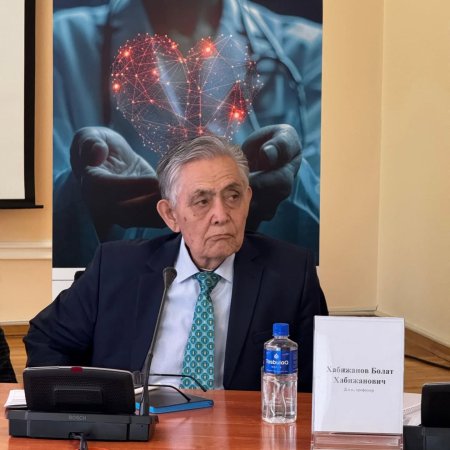
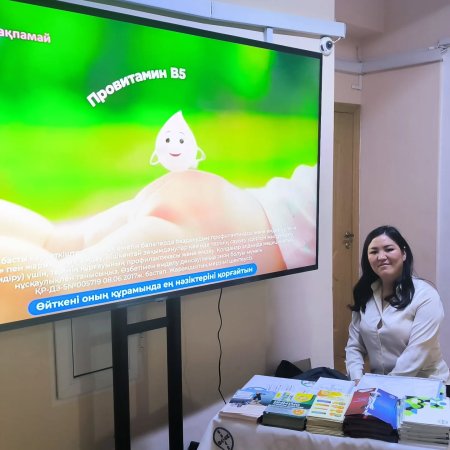
On May 20–21, a scientific-practical conference titled "Interdisciplinary Issues in Rheumatic Diseases of Childhood" was held at the National Scientific Center of Pediatrics and Pediatric Surgery.
The event was organized by NCPPS together with the N.A. Barlybayeva Department of Childhood Diseases of the School of Pediatrics at S.D. Asfendiyarov Kazakh National Medical University (KazNMU).
The scientific-practical conference was dedicated to interdisciplinary aspects of pediatric rheumatology and modern strategies for treating severe, disabling rheumatic diseases in children from an evidence-based medicine perspective.
The conference brought together rheumatologists, pediatricians, gastroenterologists, and general practitioners from Almaty, as well as NCPPS researchers, university faculty, and medical students.
The conference served as a platform for leading specialists from various fields to exchange accumulated clinical experience in managing patients with rheumatic pathology. Challenges of interdisciplinary collaboration in diagnosis and treatment strategy in real-world practice were discussed. Clinical manifestations of rheumatic disease in children often involve various organ pathologies, confirming the systemic nature of the condition. Diagnostic and therapeutic strategies in these cases require teamwork among specialists from different fields to achieve treatment goals and improve patients' quality of life.
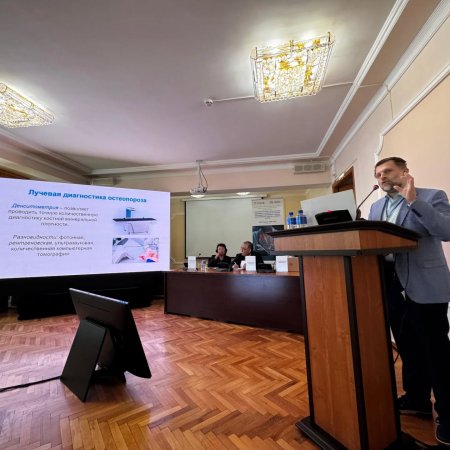
One of the pressing topics discussed was bone-mineral metabolism in children. Vitamin D deficiency and osteoporosis are common diagnoses in pediatrics and frequent reasons for referral to a rheumatologist. Differential diagnosis of the causes of this condition and selecting the right therapy are important for normalizing children's bone health. The conference also addressed the prevention, development, and treatment of osteoporosis in rheumatic patients undergoing hormone therapy.
Special attention should be given to the fact that the conference emphasized developing practical skills for managing rheumatic patients and applying them in future practice. As part of the conference, clinical case discussions of complex patients were held together with invited experts, serving as a learning opportunity for young specialists and students.
On the second day of the conference, a master class was held featuring a practical training course with demonstrations of various patients regarding radiological diagnosis of rheumatic joint damage in children. Proper interpretation of musculoskeletal imaging in rheumatic pathology is essential for diagnosis and monitoring of the condition.
The competencies gained through the conference and master class will serve as an effective tool in the practical work of pediatricians.